HEAT WARNING: Stop Wearing PLASTIC Clothing in HIGH-HEAT & HUMIDITY
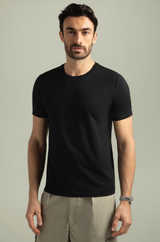
So can active performance come from nature instead of plastic? Instead of petroleum-based performance fabrics, HyperNatural is built with bio-based materials including cooling jade minerals, naturally derived fibers, and chitosan from crab shells to create apparel designed for comfort, breathability, and lasting freshness.
No heavy synthetic feel. No shiny plastic performance. Just clothing designed to help you feel naturally cooler when life heats up.

Break Up With Your Gym Tee - Polyester is Plastic
Time to realize the truth - polyester, nylon is really plastic. And the industry knows this, but they don’t really want you asking deeper questions. Clothing supply chains are global, complicated and lightly regulated. Nobody can easily trace which chemical came from where or it's difficult to hold people accountable when there's are health issues.

When Did Sweaty Plastic Become Technical Performance?
Most golf and tennis polos—even the "premium" ones—are made from petroleum-based polyester or nylon. They’re marketed as performance fabrics, but here's the truth: You are paying a premium for plastic coated in chemicals - and it makes no senses.
-
They trap heat (plastic)
-
They hold odor
-
They shed microplastics when you sweat or launder
-
They're loaded with chemical treatments PFAS, PFC, BPA - just to keep you feeling “dry” or to resist odor.

Detox your Wardrobe with HyperNatural. This is Wellness You Can Wear
Time for a Change: Clean, Bio-Based Performance
You've seen it all with clean beauty, right? The shift from chemicals to things that are better for us—better for our skin, our health, our planet. Well, the bio-based revolution is here, and it’s coming for your wardrobe. You don’t have to settle for toxic, petroleum-based fabrics that leach into your skin, shed microplastics, and mess with your body.

You Wouldn’t Eat Plastic, So Why Wear It?

HyperNatural is Part of "The Great Textile Shift" to Bio-Materials
The Great Textile Shift
The transition to sustainable textiles is gaining momentum, driven by consumer demand for clean eco-friendly products and the urgent need to address climate change. Brands are increasingly adopting materials that are not only biodegradable but also sourced from renewable resources. HyperNatural regenerative fibers, for instance, are setting a new standard in the industry by combining performance with sustainability.
This great textile shift involves rethinking the entire lifecycle of apparel—from production and use to disposal and recycling. It's about creating a circular economy where materials are reused and repurposed, minimizing waste and environmental impact.

The Polo Shirt: An Timeless American Classic Made Better by Nature

Tee Up Father's Day: Eco-Healthy Golf Shirts for the Country Club Dad Who Likes Performance / Tech Apparel

Eco Innovation: The Rise of Natural Cooling Fabrications in a Warming World

Polyester = Plastic = Cancer < > Clean Naturally Derived Textiles = Wellness

Clean Future In Golf Shirt Performance: Embracing Natural Bio-based Fabrications for Health, Performance and Better Comfort.