HEAT WARNING: Stop Wearing PLASTIC Clothing in HIGH-HEAT & HUMIDITY
So can active performance come from nature instead of plastic? Instead of petroleum-based performance fabrics, HyperNatural is built with bio-based materials including cooling jade minerals, naturally derived fibers, and chitosan from crab shells to create apparel designed for comfort, breathability, and lasting freshness.
No heavy synthetic feel. No shiny plastic performance. Just clothing designed to help you feel naturally cooler when life heats up.

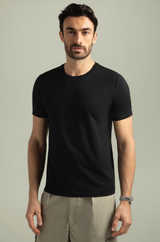
NEW! Wearable Wellness Tee | Plastic-Free Low-Tox T-Shirt for Men & Women | 90's Loose Fit
HyperNatural uses jade stone minerals to help create a naturally cool-touch feel against the skin. The tee is also made with chitin, a bio-derived material found in crab shells, which helps the fabric naturally resist odor.
That means the Wearable Wellness Tee is designed to help you:
Feel 5° cooler.
99.9% odor Free - stay fresher, longer.
Wear more.
Wash less.
Swap out plastic-based performance fabrics for good.
90's Unisex Loose Fit Style

New Podcast Drop: Jordan Harbinger Show with Chris Kolbe
Chris Kolbe has spent roughly 30 years inside the apparel industry, which means he’s not some wellness influencer yelling at polyester from a cold plunge — he helped build this world. Now the HyperNatural co-founder is asking whether the industry solved performance while quietly creating a whole new set of problems. In this conversation, Chris separates the real science from the marketing sorcery: what’s actually leaching into your skin, why “plastic equals performance” was always a sales pitch, and the proof hiding in plain sight in airline uniforms. Best of all, he lays out the five-minute closet audit that lets you make smarter choices — without torching your wardrobe or panic-buying $400 underpants from a guy named River. Listen, learn, and enjoy!
https://www.jordanharbinger.com/chris-kolbe-is-your-gym-shirt-slowly-poisoning-you

Detox Dad's Closet for Fathers Day - No Polyester, No Plastic, No Toxic Chemicals
This Father’s Day, maybe the best gift isn’t another polo or pair of golf shorts. Maybe it’s helping him ditch plastic performance clothing and upgrade to something that actually feels better on his body.

Break Up With Your Gym Tee - Polyester is Plastic
Time to realize the truth - polyester, nylon is really plastic. And the industry knows this, but they don’t really want you asking deeper questions. Clothing supply chains are global, complicated and lightly regulated. Nobody can easily trace which chemical came from where or it's difficult to hold people accountable when there's are health issues.

The Plastic Detox is Illuminates the Hidden Dangers in Our Wardrobes.
The Problem with Synthetic Fibers. Synthetic fabrics like polyester, nylon, and spandex are essentially forms of plastic derived from petroleum The film highlights several risks:
Direct Skin Absorption: The documentary notes that skin, our largest organ, can absorb more than 60% of chemicals it touches. Synthetic clothes often contain "forever chemicals" (PFAS) for stain or water resistance, which may interfere with immune function
Inhalation: Synthetic fibers also break loose in the home, contributing to indoor dust that is inhaled. This has been linked to chronic inflammation and potential respiratory issues

The Detox Your Wardrobe Imperative: Why Natural Is the Future of Apparel

Better Father’s Day Gifts - Help Him Ditch the Plastic
Give the Gift of Feeling Better in His Own Skin.
He doesn’t need another synthetic golf polo.
He needs something that respects his body—something that works as hard (and as smart) as he does.
This Father’s Day, give him Wearable Wellness.
Not plastic. Not chemicals. Just clean, natural comfort that actually performs.

When Did Sweaty Plastic Become Technical Performance?
Most golf and tennis polos—even the "premium" ones—are made from petroleum-based polyester or nylon. They’re marketed as performance fabrics, but here's the truth: You are paying a premium for plastic coated in chemicals - and it makes no senses.
-
They trap heat (plastic)
-
They hold odor
-
They shed microplastics when you sweat or launder
-
They're loaded with chemical treatments PFAS, PFC, BPA - just to keep you feeling “dry” or to resist odor.

Detox your Wardrobe with HyperNatural. This is Wellness You Can Wear
Time for a Change: Clean, Bio-Based Performance
You've seen it all with clean beauty, right? The shift from chemicals to things that are better for us—better for our skin, our health, our planet. Well, the bio-based revolution is here, and it’s coming for your wardrobe. You don’t have to settle for toxic, petroleum-based fabrics that leach into your skin, shed microplastics, and mess with your body.

You Wouldn’t Eat Plastic, So Why Wear It?

HyperNatural is Part of "The Great Textile Shift" to Bio-Materials
The Great Textile Shift
The transition to sustainable textiles is gaining momentum, driven by consumer demand for clean eco-friendly products and the urgent need to address climate change. Brands are increasingly adopting materials that are not only biodegradable but also sourced from renewable resources. HyperNatural regenerative fibers, for instance, are setting a new standard in the industry by combining performance with sustainability.
This great textile shift involves rethinking the entire lifecycle of apparel—from production and use to disposal and recycling. It's about creating a circular economy where materials are reused and repurposed, minimizing waste and environmental impact.