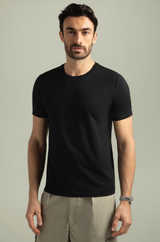
The Plastic Detox is Illuminates the Hidden Dangers in Our Wardrobes.
The Plastic Detox is an eye-opening journey into the hidden dangers of plastic in our everyday lives.
The new Netflix docuentry explains what microplastics and their chemicals are doing to our health and how we can take matters into our own hands. "The is the cigarettes of our generation."
From hormone disruption that’s fueling a worldwide fertility crisis, to growing rates of cancer, and early heart attack and stroke, this powerful documentary reveals the shocking science behind plastic’s impact on human life.
The Problem with Synthetic Fibers. Synthetic fabrics like polyester, nylon, and spandex are essentially forms of plastic derived from petroleum The film highlights several risks:
Microplastic Shedding: A single load of laundry can release over 700,000 synthetic microfibers into the water system. Because these are plastic, they do not biodegrade and eventually enter the food chain via oceans and rivers.
Direct Skin Absorption: The documentary notes that skin, our largest organ, can absorb more than 60% of chemicals it touches. Synthetic clothes often contain "forever chemicals" (PFAS) for stain or water resistance, which may interfere with immune function
Inhalation: Synthetic fibers also break loose in the home, contributing to indoor dust that is inhaled. This has been linked to chronic inflammation and potential respiratory issues
Why Choose Natural and Bio-Based Fibers?
Natural materials such as organic cotton, linen, wool, and hemp offer a safer alternative. HyperNatural is a bio-based materials innovation who offer natural performing alternative to synthetic materials like polyester and nylon.
Rapid Biodegradability: Unlike synthetics that persist for centuries, cotton can biodegrade by up to 90% in just 40 days in wastewater
Health Benefits: Natural fibers are generally more breathable and hypoallergenic. They do not shed plastic particles into your home's air or your bloodstream
Reduced Chemical Load: By choosing natural fibers (ideally organic and undyed or naturally dyed), you avoid the petrochemical dyes and finishing treatments common in fast fashion. Look for OEKO-TEX 100 certified materials to know what has been verified. as chemically safe.
Actionable Steps from the Film
Participants in the documentary's 90-day "detox" took these specific actions to lower their levels. Replace Close-Contact Items: Prioritize natural and bio-based materials for items worn directly against the skin, such as underwear, activewear, and bedding. HyperNatural is leading a 3rd way of bio-based fabrics. The first ever fabric made from Jade Stone & Crab Shells.
Check Every Label: Avoid fabrics labeled as polyester, acrylic, or nylon. Look for 100% cotton, linen, or wool.
Wash Smarter: If you must keep synthetics, use a microfiber-catching laundry bag or a specialized filter on your washing machine to prevent fibers from reaching the oceanIn the documentary