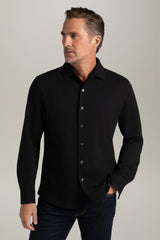
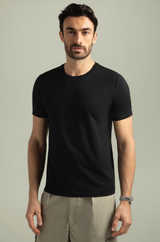
Stop wearing plastic
HyperNatural's third path: bio-performance fabric built from Supima® cotton, Hyper-Cool Jade® and Hyper-Chitin. 0% polyester, no PFAS finishes, OEKO-TEX® Standard 100 certified. Polyester was never built for skin. This was.
Polyester is plastic. The finishes sprayed on it can carry a known carcinogen. HyperNatural builds natural performance materials that are safe, lab tested, a perform when you need them most.
Some finishes sprayed on polyester clothing are known to cause cancer. In a 2022 Toxic-Free Future investigation, 72% of products marketed as stain- or water-resistant tested positive for PFAS, some of which are Group 1, carcinogenic to humans. Polyester the fiber has not been shown to cause cancer. Polyester the performance product, sprayed to repel water and stains, carries a Group 1 carcinogen on it.
The International Agency for Research on Cancer, the World Health Organization body that classifies carcinogens, has evaluated organic polymeric materials as a class. That class covers polyethylene terephthalate, the plastic polyester is made from. Its conclusion: Group 3, not classifiable as to carcinogenicity in humans. Group 3 means the evidence has not been gathered, not that polyester passed. IARC has never separately evaluated PET itself.
That settles the cancer question and nothing else. Polyester is plastic. It carries an antimony catalyst in the fiber, it is where PFAS finishes and BPA keep turning up, its dyes are recognized contact allergens, it sheds microfibers and it holds heat and odor. Every one of those is documented, and every one is a reason to take it off your skin. What follows is the evidence, and what HyperNatural built instead.
Because polyester is everywhere. Three things collided over the last few years. Microplastics started showing up in human blood, lung tissue and placentas, which made people think harder about the plastic they wear. Independent labs began testing activewear and found BPA and PFAS in name-brand products. Plus we know that polyester contains antimony, and antimony is a probable carcinogen that migrates into sweat.
Polyester is 59% of global fiber production, according to Textile Exchange's 2025 Materials Market Report: 132 million tonnes of fiber made in 2024. It is in most activewear, most fast fashion, most hotel bedding and most golf shirts. It is not there because it is good to wear. It is there because it is cheap to make and easy to print. When a material chosen for its price "is this doing something to me?" is the right question.
Nobody is checking, either. Most people assume someone inspects what goes into clothing the way agencies inspect what goes into food. For apparel sold into the United States, no such system exists. Textile supply chains are among the least transparent in any consumer category: a finished shirt can pass through spinning, knitting, dyeing and finishing in three or four countries, each stage adding chemistry, before anyone in the importing market handles it.
What exists instead is voluntary certification. That is why HyperNatural publishes its certifications, OEKO-TEX® Standard 100 and bluesign®, and why they carry so much weight.
This is the one to act on. PFAS are not in the polyester polymer; they are sprayed onto it, usually as durable water-repellent and stain-resistant finishes, sometimes as processing aids, because water repellency and stain resistance are not in the fiber and have to be added. And this is the place on this page where a Group 1 human carcinogen lines up with something you can act on: in November 2023, IARC classified PFOA as Group 1, carcinogenic to humans, and PFOS as Group 2B.
The exposure isn't hypothetical. In a 2022 Toxic-Free Future investigation, 34 of 47 products marketed as stain- or water-resistant contained PFAS, 72%, across outdoor apparel, bedding and table linens from ten major retailers, with some jackets measuring up to 8% fluorine. Of the products that did contain PFAS, roughly three quarters (25 of 34) contained older types already banned in the EU.
The marketing language on the tag is the best predictor of what is on it, and "water-repellent" and "stain-resistant" are the two phrases that mean a fluorochemical was sprayed onto plastic and sold to you as performance.
HyperNatural does not spray performance on. The cooling comes from Hyper-Cool Jade®, jade minerals embedded in the fiber that conduct heat away from your skin. Odor control comes from Hyper-Chitin, chitin from crab shells in the fiber, a natural antimicrobial. Neither is a topical treatment, so there is nothing to wash off, and no PFAS finish is applied to any HyperNatural fabric.
Polyester ships with a heavy metal in it. Most polyester is polymerized using antimony trioxide as a catalyst, and trace antimony stays in the finished fiber. Antimony trioxide has been IARC Group 2B, possibly carcinogenic, since 1989, and in 2022 IARC classified trivalent antimony compounds as a class as Group 2A, probably carcinogenic to humans.
Polyester activewear is where BPA keeps turning up. Bisphenol A is an endocrine disruptor. The Center for Environmental Health has tested polyester-based sports bras, athletic shirts and socks and reported BPA at levels it says exceed California's Proposition 65 safe-harbor threshold for skin exposure, up to 40 times over for some sports bras, naming well-known athletic brands. Several of those cases moved through the California legal system and pushed reformulation.
Polyester's disperse dyes can cause contact allergy, not cancer. Disperse Blue 106 and 124 are recognized contact allergens and appear on standard dermatology patch-test series. They are essentially specific to synthetics. Add trapped moisture and friction, and for anyone prone to eczema, contact dermatitis or heat rash, polyester is a routine trigger.
Polyester sheds plastic: microfibers in the wash, in the dryer and while you wear it. Microplastics have since been detected in human blood, lung tissue and in testicles.
What they do there is not yet known. Aron Stubbins, a professor of marine and environmental sciences at Northeastern University, described the state of the field to NPR: "For lots of that research, we're kind of at the point of understanding just where the plastics are, and then once we understand where they are, trying to figure out what impact they're having."
HyperNatural's third path is not a cleaner plastic; it is a fiber that is not plastic. The base is Supima® extra-long-staple cotton, with 0% polyester, so there is no polyester microfiber to shed in the wash, in the dryer or against your skin.
| Claim | What the evidence shows | Verdict |
|---|---|---|
| Wearing polyester causes cancer | No human study supports it. IARC places organic polymeric materials in Group 3. | Not supported |
| Antimony migrates out of polyester into sweat | Measurable: 0.1–1 µg/g into artificial sweat, Dermal uptake was not measured. | Real |
| Polyester clothing sheds microplastics into your body | Shedding is well documented; microplastics are found in human tissue. Health effects are unresolved. | Real |
| Textile dyes and finishes include carcinogens | True — benzidine azo dyes and formaldehyde are IARC Group 1 carcinogens — but both are used mainly on other materials | Real, mostly not polyester |
| BPA shows up in polyester activewear | Independent testing has repeatedly found it above California safe-harbor levels in sports bras, shirts and socks. | Real |
| PFAS finishes on textiles are a health exposure | 72% of stain- and water-resistant products tested positive. PFOA is IARC Group 1. | Real |
Not all polyester sits on your body the same way. Exposure varies by product. Roughly ranked, worst first:
| Item | What's actually going on | Worth changing? |
|---|---|---|
| Water-repellent or stain-resistant anything | PFAS finish — the one documented chemical exposure on this list | Yes. Highest priority: the only row with a Group 1 carcinogen behind it. |
| Leggings, sports bras, base layers, underwear | Plastic against damp skin for hours; where BPA testing has found the most | Yes. Heat, odor and dyes make the case; the BPA case is real but contested. |
| Everyday tees and polos | Constant contact, moderate sweat, plastic all day | Yes. Heat, odor and allergenic dyes, all day, every day. |
| Sheets and bedding | Eight hours a night, low sweat, low friction | Lower priority — unless it's stain-treated or wrinkle-free, then it's row one. |
| Outerwear, bags, shoes | Rarely touches skin | No — unless it's water-repellent, in which case see row one. |
If you change one buying habit, stop buying anything sold on stain resistance and water repellency. That is the row with the Group 1 carcinogen behind it. If you change two, take the polyester out of whatever you sweat in, which is where HyperNatural starts: polos, tees and shirts, the garments that sit against damp skin for hours.
Polyester does not cause cancer, as far as any evidence shows. That is the only pass it gets.
Polyester is plastic. It carries an antimony catalyst that migrates into your sweat, below regulatory limits and still a probable carcinogen that a cotton shirt does not have. It is the fabric PFAS finishes get sprayed onto, and PFOA is a Group 1 human carcinogen you can avoid by reading a tag. BPA turns up in polyester activewear often enough to force reformulation. It sheds microplastics, and nobody yet knows what those do inside you. And its most reliable effects on your body are that it traps heat, smells faster and carries dyes that irritate skin.
This article is for general information and is not medical advice.
Not polyester. Not sprayed on.
HyperNatural: performance engineered into the fiber, not finished onto plastic. 0% polyester, no PFAS finishes.
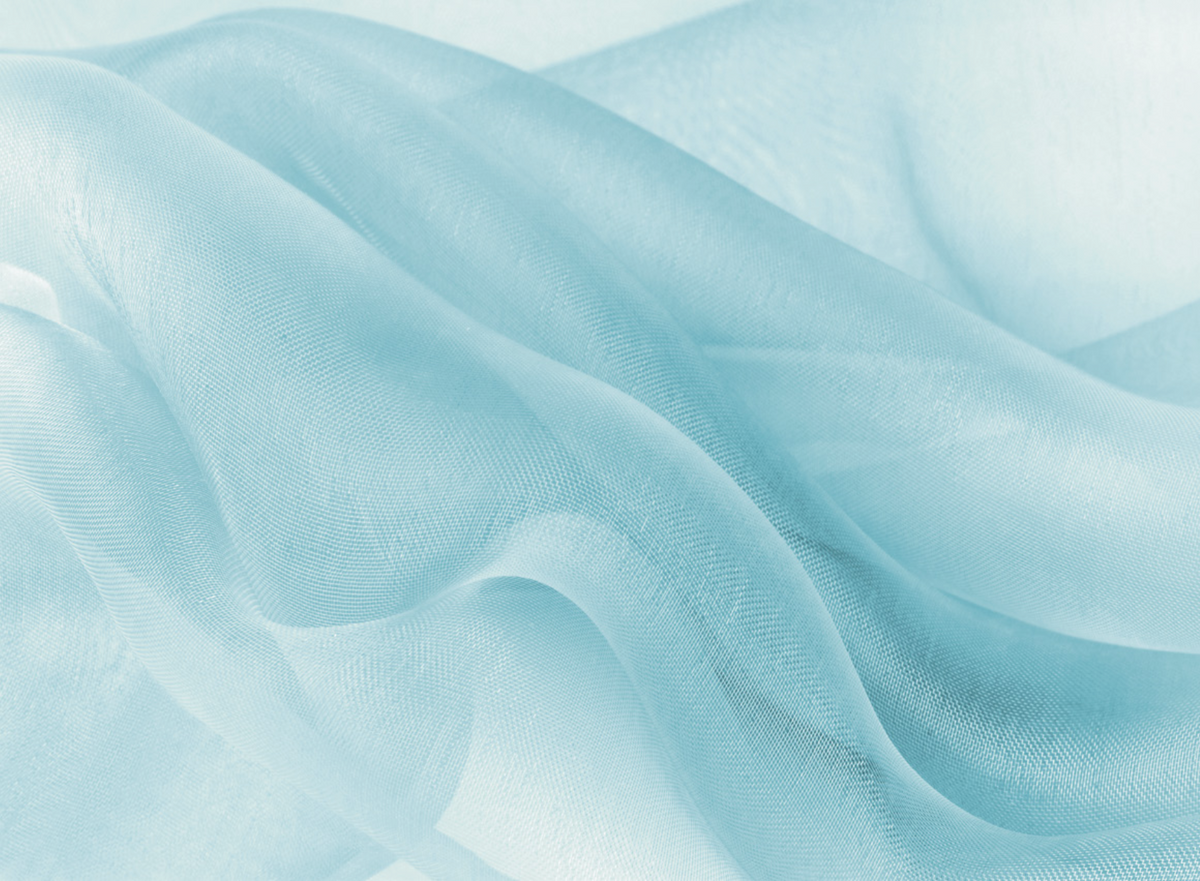
Better for your workouts, your body, and your results.
Performance in the fiber
Hyper-Cool Jade® cooling and Hyper-Chitin odor control in the yarn — nothing sprayed on, no PFAS
Performance sprayed on
Water-repellent and stain finishes are where PFAS gets in: 72% tested positive, and PFOA is IARC Group 1
Certified and published
OEKO-TEX® Standard 100 and bluesign® approved fabrics
Usually uncertified
"Polyester" on the tag tells you nothing about what was added to it
No plastic microfibers
0% polyester — no polyester microfibers to shed in the wash or against your skin
Sheds microplastics
Plastic microfibers into the wash, the dryer and the air around you
Breathes and stays fresh
20× more breathable than polyester; Hyper-Cool Jade® runs 5° cooler against your skin
Holds heat, holds odor
Hydrophobic plastic, odor bacteria and allergenic disperse dyes
Not according to any current evaluation. IARC, the World Health Organization's cancer research agency, places organic polymeric materials — the class that covers polyethylene terephthalate, the polymer in polyester — in Group 3, not classifiable as to carcinogenicity in humans, and has never separately evaluated PET itself; the evaluation it ran was of plastics implanted inside the body, not clothing. Group 3 means unclassified, not cleared. The chemicals that do carry Group 1 carcinogen classifications, such as benzidine-based azo dyes and formaldehyde, are used mainly on cotton and other cellulosic fibers rather than on polyester, and both are capped under EU REACH rules and textile certification schemes. The case against polyester is not a cancer case. It is plastic, an antimony catalyst, PFAS finishes, BPA, allergenic dyes, microfibers, heat and odor, and HyperNatural's third path, a Supima® cotton base with Hyper-Cool Jade® and Hyper-Chitin in the fiber, 0% polyester and no PFAS finishes, was built to answer it.
Not in the fiber. PFAS are sprayed onto it, usually as durable water-repellent and stain-resistant finishes, and those finishes are a large part of what gets sold as performance. In 2022 Toxic-Free Future tested 47 products marketed as stain- or water-resistant and found PFAS in 34 of them, or 72 percent, while none of the 13 products without those claims tested positive above the screening level. IARC classified PFOA as a Group 1 human carcinogen in 2023. The marketing language on the tag predicts PFAS far better than the fiber content does, so treat water-repellent and stain-resistant as ingredient claims. HyperNatural uses no PFAS finishes; cooling comes from Hyper-Cool Jade® and odor control from Hyper-Chitin, both engineered into the fiber itself.
Not at any dose anyone has shown to matter, and that is the last good thing to say about it. Polyester carries trace antimony from its catalyst, residual dye chemistry and processing aids. A 2021 study found antimony release into artificial sweat of 0.1 to 1 microgram per gram of fabric, against an OEKO-TEX Standard 100 limit of 30 micrograms per gram for skin-contact textiles; no sample exceeded the limit, and every sample released a probable carcinogen into sweat that a cotton shirt does not. The exposure to act on first is PFAS in water-repellent and stain-resistant finishes, where a Group 1 carcinogen is sprayed onto the plastic. Clearing a toxicity limit is not the same as being good to wear: polyester is still plastic against your skin, and it still holds heat and odor. HyperNatural's Supima® cotton base is made without an antimony catalyst, carries no PFAS finish, and is OEKO-TEX Standard 100 certified.
Yes, and this is one of the best-supported effects on the page. Polyester is dyed with disperse dyes, several of which — Disperse Blue 106 and 124 among them — are recognized contact allergens on standard dermatology patch-test series, and they are essentially specific to synthetics. Polyester is also hydrophobic, so sweat moves along the surface rather than being absorbed, and a controlled study of worn shirts found odor-producing Micrococcus species almost exclusively on synthetics. For anyone prone to eczema, contact dermatitis or heat rash, the combination of trapped moisture, friction and disperse dyes is a routine trigger. HyperNatural's Supima® cotton base absorbs moisture instead of pushing it along the surface, Hyper-Cool Jade® conducts heat away from the skin, and Hyper-Chitin handles odor in the fiber with no chemical anti-odor finish.
Not in any way that matters to your skin. Recycled PET avoids new petroleum extraction, which is a real environmental gain, but recycled polyester is still polyester. It is still plastic against your skin, it still sheds microfibers, it still holds heat and odor, and recycled feedstock can carry contaminants from its previous life, including antimony and bisphenol residues. Recycled polyester is an answer to a waste question, not to a chemistry question and not to a comfort one. HyperNatural uses recycled content where it belongs, in Creora® Regen spandex certified to the Global Recycled Standard, on a Supima® cotton base with 0% polyester.
Sheets are the lowest-priority polyester in the house, which is not the same as no priority. Bedding is a lower-exposure category than activewear: eight hours of low-sweat, low-friction contact rather than hours of hot, damp, moving contact. The exception is stain-resistant or wrinkle-free bedding, where the finish chemistry is the concern rather than the fiber, and that moves to the top of the list. If you are prioritizing changes, treated goods come first, then the polyester you sweat in, and untreated sheets after that.
Partly. Washing removes a meaningful share of what is extractable. In the antimony migration study, the bulk of the release came in the first extraction and then leveled off, and the authors' practical recommendation was to wash synthetic textiles before first wear, preferably more than once. Washing does not remove a durable water-repellent finish — that is what durable means — so it is not a substitute for avoiding PFAS-treated goods. It also does not stop microfiber shedding; it causes it. Washing makes polyester less bad. It does not make it not plastic. A HyperNatural shirt has no antimony catalyst to wash out; its Supima® cotton base was never made with one.
Start with certification, then with fiber. Certification tells you more than fiber name does: an OEKO-TEX Standard 100 or bluesign certified textile has been tested against published limits for antimony, BPA, PFOA, formaldehyde and banned azo dyes, while an uncertified organic cotton shirt has been tested for none of them. Sustainable, organic and non-toxic on a label mean nothing until it names a fiber and a certificate. Then choose a fiber built for skin rather than sprayed for it: HyperNatural's Supima® cotton base with Hyper-Cool Jade® and Hyper-Chitin is OEKO-TEX Standard 100 certified and bluesign approved, with 0% polyester and no PFAS finishes. Avoid anything sold on stain resistance or water repellency, and prioritize the garments you sweat in.

"Why don't we think more about what is directly against our skin?"
"Naturally antimicrobial. Naturally anti-inflammatory. 99.9% odor resistant. Zero BPA. Zero PFAS."

"I'm all about non-toxic fits and this brand gives me tons of options with real natural materials."

"This is for the man in your life. To nudge them in the right direction."

"No overheating, no odor and looking classy"

"They take it to a whole new level. Hypernatural is making fabric out of crab shells."
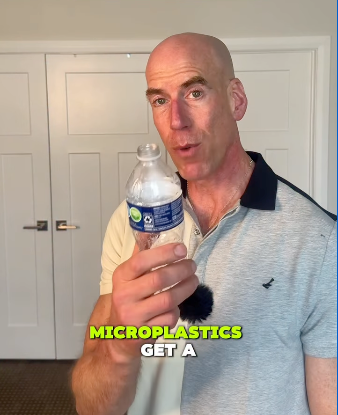
"The comfort and freedom of movement that I get with these clothes is absolutely awesome"

"I really like this. It's super soft and breathable."


HyperNatural's third path: bio-performance fabric built from Supima® cotton, Hyper-Cool Jade® and Hyper-Chitin. 0% polyester, no PFAS finishes, OEKO-TEX® Standard 100 certified. Polyester was never built for skin. This was.